


Avoid Probate Headaches: Out-of-State Estate Plan Tips
Relocating to Ocala is an exciting milestone. Whether you moved to Marion County to enjoy our horse farms, settle into a vibrant golf community, or simply soak in the Florida sunshine, transitioning your life to the Sunshine State comes with a long checklist. Between updating your driver’s license, registering your vehicles, and establishing Florida residency, there is one crucial task that easily falls through the cracks: reviewing your estate plan.
If you drafted a will, trust, power of attorney, or healthcare proxy before moving to Florida, you might assume those legal documents automatically travel with you. The short answer is that while your out-of-state documents are often technically valid on paper, they frequently fail in practice when put to the test under Florida law. Understanding how Florida statutes treat out-of-state estate plans—and where the hidden traps lie—is essential to protecting your family and your legacy.
The Legal Reality: Valid on Paper vs. Effective in Practice
Florida adheres to full faith and credit principles for out-of-state wills. If your last will and testament was properly signed and executed according to the laws of the state where you resided, Florida probate courts will typically acknowledge its validity. The same applies to revocable living trusts, which states commonly recognize under uniform trust standards.
However, a document can be legally enforceable in court and still not work smoothly when your loved ones need it most. Florida has very specific laws governing property rights, estate administration, and healthcare decisions that do not exist in other states. An out-of-state estate plan created under New York, Illinois, or California law was designed to solve problems unique to those jurisdictions, not to navigate Florida's distinct legal landscape.
Out-of-State Wills: Three Major Florida Pitfalls
While Florida accepts most out-of-state wills, several critical exceptions and administrative hurdles can cause severe complications for your heirs during probate.
1. Unrecognized Will Formalities
Florida law maintains strict rules regarding how wills must be written and witnessed. Florida does not recognize holographic wills (handwritten wills that lack formal witness signatures) or nuncupative wills (oral wills made during a final illness), even if those wills were legally executed in a state that permits them. If your out-of-state plan relies on a handwritten codicil or unwitnessed agreement, Florida courts will completely reject it. Additionally, Florida wills typically include a self-proving affidavit — a notarized statement signed by the witnesses. Without this specific affidavit attached, the Florida probate court may require your named executor to locate those original out-of-state witnesses years or decades later to swear under oath that they saw you sign the document.
2. Executor Qualifications and Out-of-State Representatives
In Florida, the person appointed to manage an estate is called a Personal Representative. Florida law imposes a strict rule that often catches new residents off guard: an out-of-state resident cannot serve as your Personal Representative unless they are related to you by blood, marriage, or adoption. If your old will names a trusted lifelong friend, neighbor, or professional advisor from your former state who is not a close family member, a Florida court will disqualify them. The court would then appoint a substitute according to statutory priority, which may result in someone managing your affairs you never would have chosen.
3. Florida’s Strict Homestead Rules
Florida’s constitutional homestead protections are among the strongest in the nation, offering substantial property tax exemptions and creditor defenses. However, the state constitution also imposes severe restrictions on how you can transfer a primary residence upon death. If you are married or have minor children, Florida law restricts your ability to devise your homestead in a will. For instance, an out-of-state will that leaves your home entirely to adult children from a prior marriage while leaving a surviving spouse living in the house will conflict directly with Florida homestead law. The surviving spouse may automatically be entitled to a life estate or a fifty-percent tenant-in-common share, completely overriding the written instructions in your old will.
The Danger of Out-of-State Financial Powers of Attorney
Of all the components in an out-of-state estate plan, durable financial powers of attorney are the most vulnerable to immediate rejection. A financial power of attorney authorizes a trusted individual to step in and manage your bank accounts, pay bills, sell real estate, or handle tax matters if you become incapacitated.
Florida enacted significant revisions to its Power of Attorney Act in recent years, introducing specific execution requirements and strict standards for third-party acceptance. Local financial institutions in Ocala and throughout Marion County routinely review powers of attorney through their legal compliance departments. When presented with an unfamiliar, decades-old, or out-of-state power of attorney form, local banks frequently refuse to honor it.
If a financial institution rejects your power of attorney during a medical or financial crisis, your family cannot simply draft a new one if you have lost mental capacity. Instead, they would be forced to petition a Florida court for a costly, public, and emotionally draining court-monitored guardianship proceeding. Executing a Florida-compliant Durable Power of Attorney with two witnesses and a notarization is the only reliable way to prevent this scenario.
Healthcare Directives and Medical Surrogates
Healthcare proxy forms, living wills, and medical powers of attorney vary drastically from state to state. Florida uses specific terminology and statutory frameworks for medical decision-making.
In Florida, you appoint a Health Care Surrogate to make medical decisions on your behalf if you are unable to communicate. Florida law also explicitly allows you to grant your surrogate immediate authority to consult with doctors and access medical records under HIPAA, even while you retain decision-making capacity. Medical providers at regional hospitals and emergency facilities are trained to recognize standard Florida Health Care Surrogate designations and Living Wills. Presenting an out-of-state document during an emergency can cause unnecessary delays, legal confusion, and hesitation among medical staff when urgent choices must be made.
Establishing True Florida Domicile for Tax Purposes
Many individuals move to Ocala to take advantage of Florida's favorable tax climate. Florida has no state personal income tax, inheritance tax, or estate tax. However, if you recently moved from a high-tax state, your former state taxing authority may continue to claim that you remain a resident for tax purposes.
Updating your core estate planning documents to include your new Ocala, Florida address provides strong evidence that you established legal residency. By executing Florida wills, trusts, and healthcare directives, and filing a Declaration of Domicile in Marion County, you create an unmistakable paper trail that clearly shows your intention to make Florida your permanent residence.
Securing Your Peace of Mind in Ocala
Moving to a new state represents a fresh chapter, and your estate plan should reflect your new life in Florida. While your existing out-of-state plan might technically clear the bare minimum threshold for legal validity, leaving it unexamined exposes your estate to unexpected delays, higher probate expenses, and potential court disputes.
A thorough review by a qualified Florida estate planning attorney will ensure your plan complies with Florida probate rules, respects Florida homestead protections, qualifies your chosen personal representative, and arms your loved ones with enforceable powers of attorney. Taking the time to refresh your documents now ensures your estate plan works as intended, so you can enjoy your new home in Ocala with complete confidence.
Secure Your Legacy Today
Don’t wait for a crisis to discover the vulnerabilities in your estate plan. In the “Horse Capital”, the best defense is a proactive, high-level legal strategy.
Ready to protect what you’ve built?
Contact Ocala Esquire • Ocala Equine, Esq. today to schedule your strategic consultation. Let us handle the complexities of the law while you focus on what you do best.
Call: (352) 789-3773 ・ Text: (407) 906-4622 ・ Email: info@ocalaequineesq.com ・ Visit: www.ocalaequineesq.com
Disclaimer: This blog post is intended for informational purposes only and does not constitute legal advice. It is essential to consult with a business attorney experienced in Florida law for personalized guidance relevant to your specific circumstances.
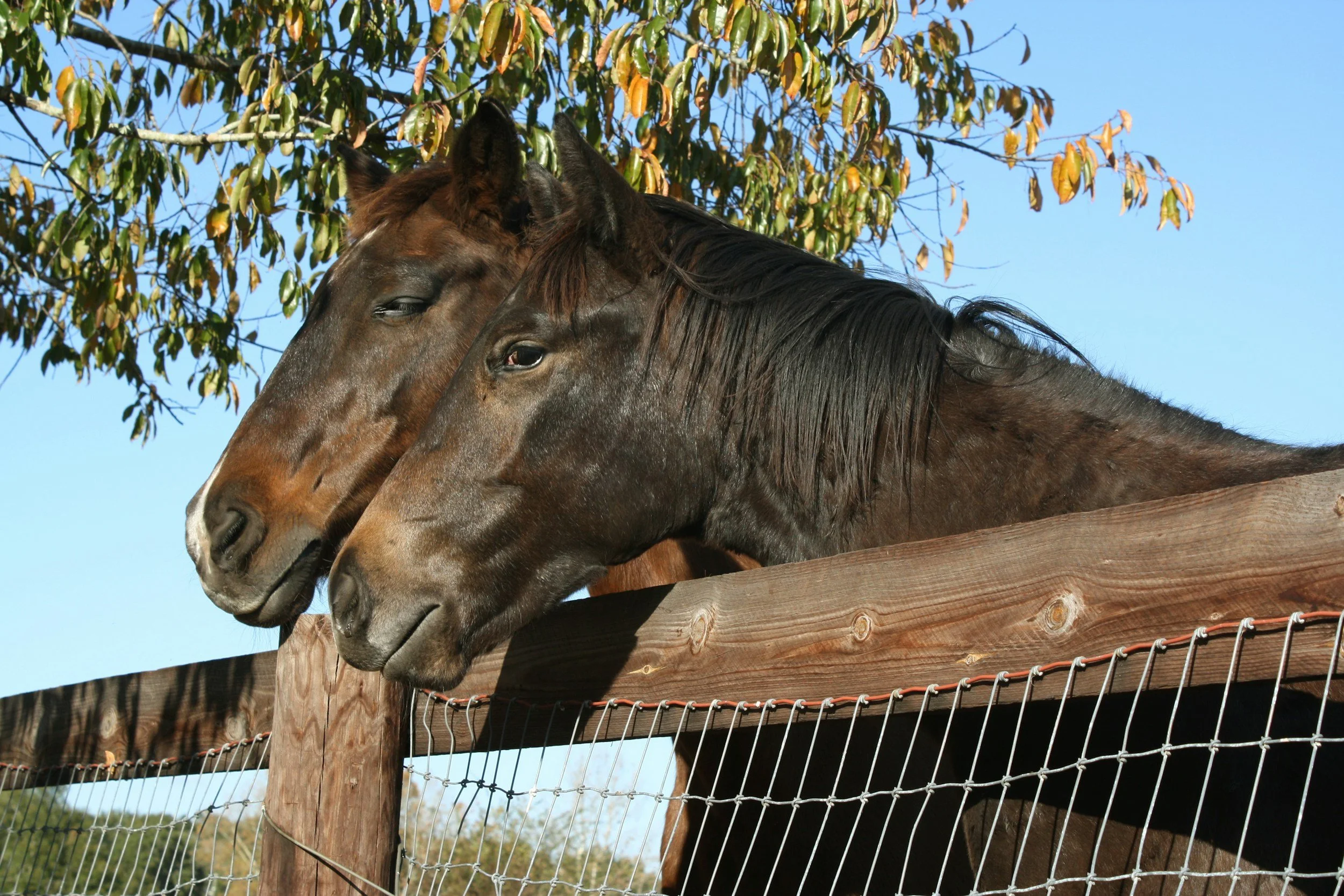
Protecting Your Florida Farm: Estate Planning Essentials
Planning an estate for an Ocala horse farm or agricultural acreage requires a strategy that goes well beyond standard wills and basic revocable living trusts. Known worldwide as the horse capital of the world, Marion County offers a unique intersection of high-value real estate, complex business operations, valuable equine bloodlines, and specialized state tax incentives. When land is tied directly to agricultural production or live animals, a poorly designed estate plan can trigger unnecessary taxes, disrupt daily operations, or force land sales to satisfy probate debts. Protecting a rural legacy demands a clear blueprint that addresses corporate entity structuring, land preservation, asset protection, and operational continuity.
The foundation of any sound agricultural estate plan begins with separating real estate from daily operations. Holding vast acreage and active business operations under a single legal name creates significant liability risk. A single accident involving a horse, heavy machinery, or a visitor on the farm could expose the raw land to personal injury claims and legal judgments. To mitigate this risk, seasoned landowners use a dual-entity structure. Under this strategy, a land-holding entity, such as a limited liability company, owns the underlying real estate and leased pastures, while a separate operating entity handles commercial activities such as breeding, training, boarding, or crop harvesting. The land-holding entity then leases the property to the operating business through a formal agreement. This structure creates an insulating wall that protects the underlying soil from operational debts and lawsuit liabilities, preserving the farm itself for future generations.
After establishing proper business entities, the next key step is placing those assets into a customized trust framework to avoid Florida probate. Allowing large agricultural tracts or equine operations to pass through probate can halt a farm’s activities. Probate processes often last months or over a year, during which accounts may be frozen, contracts delayed, and daily decisions hindered by court procedures. Live animals, seasonal crops, and ongoing farm labor cannot wait for court dates. By transferring your business entities’ membership interests into a revocable living trust, you ensure a successor trustee can immediately step in upon your death or incapacity. This keeps payroll running, veterinary care and feed purchases authorized, and land operations moving smoothly without court delays.
Maintaining Florida’s agricultural tax benefits, known as the Greenbelt classification, is a vital part of local estate planning. Florida law assesses qualifying land used for genuine commercial agriculture based on its current income potential rather than development value, resulting in substantial property tax savings that help keep large properties affordable. However, Greenbelt status depends on actual land use, not ownership history. If land is transferred to heirs or a trust or if active farming stops during an estate transition, the county appraiser can revoke the classification. Losing Greenbelt status can cause property taxes to increase dramatically, often forcing heirs to sell. To prevent this, an estate plan should include clear requirements for ongoing agricultural use and lease provisions that maintain the classification during all transitions.
Equestrian properties add a layer of estate complexity that conventional property owners never encounter. Horses are legally classified as personal property, yet high-value bloodlines, breeding rights, and competition horses require specialized care and significant cash reserves. Standard wills often treat horses the same as farm equipment, which can lead to disastrous delays in care or forced liquidation by personal representatives unfamiliar with the equine industry. Integrating equine trust provisions into your broader estate plan solves this problem. You can set aside specific funds dedicated exclusively to the care, boarding, training, and medical needs of your animals, while naming a qualified equine trustee who understands the industry to oversee their management and eventual rehoming or sale.
Land preservation and division among heirs demand careful long-term planning. It’s common for farm owners to have children who actively manage the land alongside others who have moved away to pursue different careers. Dividing acreage equally among children with differing visions often results in lawsuits and forced land partitions. Estate plans can distribute inheritance fairly without physically splitting the farm. For instance, the child managing the farm can inherit voting interests in the operating entity, while other heirs might receive life insurance proceeds, liquid assets, or non-voting shares that generate income from land leases. To preserve open space permanently, owners might consider conservation easements, which limit future residential development and offer significant estate and income tax benefits.
Lastly, incapacity planning must be addressed with equal weight. A severe injury or illness can prevent you from running the day-to-day business of your property. Executing durable powers of attorney, healthcare surrogates, and clear operating agreements ensures that designated agents have immediate legal authority to sign contracts, manage farm bank accounts, pay vendors, and make operational decisions if you are unable to do so.
Planning an estate for your Ocala horse farm or agricultural property requires harmonizing land management, tax strategy, liability protection, and animal care into one cohesive legal structure. By working with legal professionals who understand both Florida estate law and the unique realities of Marion County’s equestrian and farming industries, you can safeguard your hard-earned assets and ensure your land remains a thriving legacy for generations to come.
Secure Your Legacy Today
Don’t wait for a crisis to discover the vulnerabilities in your operation. In the “Horse Capital”, the best defense is a proactive, high-level legal strategy.
Ready to protect what you’ve built?
Call: (352) 789-3773 ・ Text: (407) 906-4622 ・ Email: info@ocalaequineesq.com ・ Visit: www.ocalaequineesq.com
Disclaimer: This blog post is intended for informational purposes only and does not constitute legal advice. It is essential to consult with a business attorney experienced in Florida law for personalized guidance relevant to your specific circumstances.