
Florida Property Deeds: Types, Rules & Ocala Filings
A Guide for Florida Homebuyers, Sellers, and Real Estate Investors
In real estate, the paperwork can feel like a new language. If you are buying a home in Florida, selling property, or planning your estate, understanding property deeds is one of the most empowering financial steps you can take. This guide covers what deeds are, the types used in Florida, the requirements for a valid deed, and how to transfer ownership safely and legally.
What Is a Property Deed? (And How It Differs from a Title)
A title is a bundle of rights — your legal ownership and right to use a property. You cannot physically hold a title because it is not a document; it is a legal status.
A deed, by contrast, is the physical document used to transfer that title. When you buy a house in Florida, the seller signs a deed and transfers it to you. You then record it in the county’s Official Records, maintained by the Clerk of the Circuit Court, establishing you as the new titleholder.
THE CORE DIFFERENCE: A deed is the tangible instrument that transfers ownership; the title represents your abstract legal rights to the property.
The Major Types of Property Deeds in Florida
The type of deed dictates the level of protection and guarantees (known as “covenants”) the seller provides. Choosing the wrong one can expose you to unexpected liabilities.
General Warranty Deed. The gold standard, giving the buyer (the grantee) the highest protection. The seller (the grantor) guarantees clear, marketable title and promises to defend the buyer against all claims — even claims predating the seller’s ownership. This is the standard deed in typical Florida residential sales, and Florida prescribes a statutory short form carrying the full common-law warranty covenants.
Special Warranty Deed. A middle ground. The seller warrants only against defects or claims arising during their own ownership, assuming no responsibility for issues from previous owners. In Florida, these are common in commercial transactions and bank-owned (foreclosure) resales.
Quitclaim Deed. No warranties at all. The grantor transfers whatever interest they happen to have — with no promise they own clear title, or any. Florida provides a statutory quitclaim form using the words “remise, release, and quitclaim.” Because of the risk, quitclaim deeds are rare in arm’s-length sales; they are used between trusted parties — divorcing spouses, adding a spouse to a deed, or moving property into a family trust or LLC.
Special-Purpose Deeds. Specific situations call for specialized deeds:
Personal Representative’s Deeds — used by the personal representative (Florida’s term for an executor or administrator) to convey a decedent’s property from a probate estate.
Tax Deeds — issued when property is sold for delinquent taxes. A Florida tax deed is issued in the county’s name and signed by the Clerk, and generally wipes out prior interests and covenants (with a narrow carve-out for certain governmental liens).
Certificate of Title — Florida’s counterpart to the “sheriff’s deed.” In a judicial sale such as a foreclosure, the Clerk files a certificate of title, and title passes to the purchaser upon filing, without further instruments.
Legal Requirements for a Valid Florida Deed
If a deed fails even one statutory requirement, the transfer can be challenged or deemed void. Every valid Florida deed must satisfy these:
Identification of the parties. The deed must name the grantor and grantee; for recording, Florida also requires each party’s name and address beneath the signatures, plus the preparer’s name and address.
Legal description of the property. A street address is never enough. The deed needs a precise legal description — typically lot and block numbers from a recorded plat (subdivision map) or a metes-and-bounds survey. The parcel identification number helps but is not a substitute.
Words of conveyance. The deed must show the grantor’s intent to transfer (e.g., “grant, bargain, sell, and convey”). Florida does not require old-fashioned “words of limitation” such as and his heirs; a deed with none still conveys the entire fee simple the grantor could dispose of, unless a contrary intention appears.
Signature before two subscribing witnesses. Florida’s most distinctive requirement. A deed conveying a freehold interest (or one lasting more than a year) must be signed by the grantor in the presence of two subscribing witnesses — stricter than many states and missing it can jeopardize the conveyance.
Delivery and acceptance. A deed takes effect only when delivered by the grantor and voluntarily accepted by the grantee.
Acknowledgment (notarization) for recording. Separate from the witnesses, a Florida deed must be acknowledged by the signer before an authorized officer — typically a Florida notary public.
TWO FORMALITIES, NOT ONE: A Florida deed needs two subscribing witnesses and notarial acknowledgment — plus a precise legal description, never just a mailing address.
A Special Note on Homestead Property
Florida’s constitutional homestead protections add a wrinkle. If the property is the owner’s homestead and the owner is married, the owner cannot convey or mortgage it alone — both spouses must join in the deed, even if only one spouse is on the title. Homestead also cannot be freely devised by will if the owner is survived by a spouse or minor child. Because these rules are easy to trip over, homestead transfers almost always warrant professional guidance.
How to Transfer Property Ownership in Florida: Step-by-Step
Step 1: Choose the right deed. Match the deed to your goal — general warranty for an arm’s-length sale, quitclaim for family and estate transfers. If the property is homestead and you are married, plan for both spouses to sign. A Florida attorney can prevent costly errors here.
Step 2: Draft the deed. Florida offers statutory warranty and quitclaim forms, and a title company or attorney can confirm which one you need. Match the legal description exactly to the prior recorded deed.
Step 3: Execute, witness, and notarize. Bring the completed, unsigned deed to a Florida notary and arrange for two witnesses. The grantor signs before the two subscribing witnesses, and the notary verifies identification, takes the acknowledgment, and affixes the seal. Never sign ahead of time unless the notary directs it.
Step 4: Pay the documentary stamp tax and record. Florida imposes a documentary stamp tax on deeds, generally paid before recording. In every county except Miami-Dade, the rate is $0.70 per $100 of consideration; in Miami-Dade, it is $0.60 per $100 plus a surtax of up to $0.45 per $100 (the surtax does not apply to a single-family residence). By custom, the seller usually pays. Then record the signed, witnessed, and notarized original with the Clerk of the Circuit Court in the county where the property sits, in the “Official Records,” and pay the recording fees.
Recording establishes public notice of your ownership. Importantly, Florida is a “notice” jurisdiction — not a pure “race” or “first-to-record” state. An unrecorded deed is not good against a later buyer who pays value and takes without notice of it — meaning that later buyer can prevail even over an earlier one. Recording promptly is therefore essential.
Conclusion
Property deeds are the bedrock of real estate ownership in Florida. Choosing the right deed type, meeting the two-witness and notarization requirements, respecting homestead protections, paying the documentary stamp tax, and promptly recording with the Clerk of the Circuit Court all protect your most valuable assets.
Because Florida’s homestead, witnessing, and recording rules differ significantly from other states’, always consult a qualified Florida real estate attorney or title professional before a major transfer.
Call: (352) 706-4377 ・ Email: info@ocalaequineesq.com ・ Visit: www.ocalaequineesq.com
Disclaimer: This blog post is intended for informational purposes only and does not constitute legal advice. It is essential to consult with a business attorney experienced in Florida law for personalized guidance relevant to your specific circumstances.

Understanding Protected Series LLCs in Florida
Florida is a dynamic hub for entrepreneurs, established enterprises, and real estate investors alike. A favorable tax climate, robust population growth, and a diverse economic base draw thousands of commercial ventures to the Sunshine State every year. However, operating a business in Florida presents a complex tapestry of legal obligations, statutory rules, and civil liability risks. Whether launching a tech startup, managing a real estate portfolio, or scaling a commercial service firm, understanding Florida business law is essential for long-term viability. Protecting personal and commercial assets requires proactive planning, disciplined corporate governance, and compliance with statutory requirements.
Selecting the Right Entity: Traditional Structures vs. The New Protected Series LLC
Choosing the right legal entity is the primary defense against personal financial risk. Sole proprietorships and general partnerships offer administrative simplicity but leave personal assets exposed to business liabilities. Under Florida law, a sole proprietor is personally liable for all contractual breaches, financial debts, and tort liabilities the business incurs. Creditors can attach personal bank accounts, personal vehicles, and non-exempt real estate to satisfy a judgment from an operational accident or commercial debt.
To limit personal liability, Florida business owners routinely form separate legal entities:
Corporations: Standard corporate entities provide a distinct barrier between business debts and shareholders' personal assets.
Traditional Limited Liability Companies: LLCs combine pass-through tax treatment with robust corporate asset protection.
Protected Series LLCs (Effective July 1, 2026): Enacted under the Uniform Protected Series Provisions of Chapter 605, Florida now allows an existing LLC (the "parent" entity) to establish internal "protected series" compartments.
Deconstructing Florida’s Protected Series LLC
The Protected Series LLC represents a significant evolution in Florida business law. Business owners can view the parent LLC as a central structure containing distinct, segregated compartments. Each protected series can hold distinct assets, enter into contracts, incur liabilities, and have distinct management or ownership structures—all under the umbrella of a single entity.
Key Mechanics and Statutory Requirements
Designation Filing: An active Florida LLC creates a protected series by submitting an online Designation of Protected Series with the Florida Department of State (Sunbiz) for a $25 fee per series. A protected series is an internal division, not an independent legal entity, so it does not receive a separate Sunbiz document number or require a separate annual report.
Naming Conventions: Statutory naming rules require a series name to begin with the exact name of the parent LLC, followed by a dash, and include an approved identifier: "Protected Series," "P.S.," or "PS" (e.g., Sunshine Holdings LLC - Property 1 PS).
Approval Thresholds: Creating a series requires the affirmative consent of all LLC members unless the operating agreement explicitly establishes a lower voting threshold.
Dual Liability Shields: Vertical vs. Horizontal
Vertical Shield: Protects individual members and managers from personal liability for the debts and obligations of the parent LLC or any of its series.
Horizontal Shield: Segregates liabilities between individual series. A legal judgment or liability arising within Series A generally cannot reach the assets held in Series B or those of the parent LLC.
Practical Applications
Real Estate Investors: Isolating individual properties into separate series to contain property-specific slip-and-fall claims or mortgage liabilities without incurring setup and maintenance fees for dozens of separate standalone LLCs.
Multi-Venture Entrepreneurs: Operating distinct service lines or product brands under one umbrella entity while insulating each line from the liabilities of the others.
Investment Groups & Funds: Segregating distinct asset classes or investor pools with tailored ownership rights.
Essential Legal Nuances and Risks
Strict Recordkeeping Is Mandatory: The horizontal shield is not self-executing. The law conditions liability segregation on rigorous, contemporaneous, and separate accounting for each series. If assets or financial records are commingled between series, courts may collapse the horizontal shield.
Unsettled Judicial Precedent: Because Florida's series statutory framework took effect on July 1, 2026, state case law interpreting the enforcement and boundaries of horizontal shields remains in its infancy.
Interstate Recognition & Institutional Friction: Not all states recognize series structures in the same manner. Out-of-state operations may expose assets to different jurisdictional rules. Additionally, traditional lenders and title insurance companies may initially require extra documentation to process series transactions.
Maintaining Corporate Formalities and Preventing Veil Piercing
Forming an LLC, corporation, or protected series is only the first step; maintaining statutory liability protection requires ongoing adherence to corporate formalities. Opposing litigants frequently attempt to "pierce the corporate veil" to attach personal assets.
Under Florida jurisprudence, courts maintain a strict standard for piercing the corporate veil. Plaintiffs must prove that the entity form was a mere alter ego or instrumentality of the owner and that the owner engaged in improper or fraudulent conduct through the entity.
Financial Separation
Paying personal expenses from commercial accounts or commingling funds between series.
Maintain separate bank accounts, accounting ledgers, and credit lines for the parent entity and each individual series.
Governance & Documentation
Operating without written agreements or formal authorizations.
Draft comprehensive operating agreements that address series designation rules, member voting rights, and asset allocation.
Public Notice & Identity
Executing contracts under informal, non-compliant entity names.
Sign all contracts, leases, and deeds using the full legal entity or series name, including required statutory suffixes (e.g., “P.S.”).
State Compliance
Neglecting ongoing filings and corporate standing.
Timely file Florida Department of State Annual Reports for the parent LLC to maintain active status on Sunbiz.
Leveraging Florida’s Constitutional and Statutory Asset Protections
Florida provides statutory asset protection mechanisms that operate alongside commercial corporate shields, safeguarding personal wealth from judgment enforcement:
Florida Homestead Exemption
Article X, Section 4 of the Florida Constitution establishes homestead protection, shielding a primary residence from forced sale by most civil judgment creditors. There is no monetary value cap on this exemption, provided the property meets geographical acreage limitations:
Up to 1/2 acre within a municipality.
Up to 160 contiguous acres outside a municipality.
Statutory Exempt Assets
Florida law provides protections for several non-real estate asset classes from judgment execution:
Individual Retirement Accounts (IRAs) and ERISA-qualified pension plans.
Cash surrender values of life insurance policies and proceeds from annuity contracts.
Prepaid college funds and disability income benefits.
Tenancy by the Entirety (TTE)
Married business owners in Florida can hold real estate and personal property as tenants by the entirety. Under this joint ownership structure, property owned jointly by both spouses cannot be attached to satisfy a civil debt or judgment owed by only one spouse.
Drafting Enforceable Contracts to Mitigate Operational Risk
Contractual disputes with vendors, clients, independent contractors, and commercial landlords represent a primary source of legal liability. Well-drafted written agreements serve as a proactive risk-management tool.
Key risk-mitigation clauses for Florida commercial contracts include:
Limitation of Liability & Consequential Damages Waivers: Caps total potential damages to a specified dollar threshold (e.g., total fees paid under the contract) and waives recovery for indirect, lost profit, or consequential damages.
Indemnification Clauses: Explicitly define which party bears financial responsibility for third-party torts, property damage, or contractual breaches.
Dispute Resolution Mechanisms: Mandates pre-litigation mediation or binding arbitration, reducing overall legal expenditures compared to circuit court litigation.
Governing Law & Venue Selection: Specifies that Florida law governs the agreement and designates a local court venue, preventing costly out-of-state litigation.
Building a resilient business in Florida requires an integrated risk-management approach. By using suitable entity structures—such as traditional LLCs, corporations, or Protected Series LLC options—and pairing them with rigorous accounting, constitutional homestead protections, tailored contracts, and comprehensive insurance, business owners can protect both their commercial ventures and personal wealth.
Call: (352) 706-4377 ・ Email: info@ocalaequineesq.com ・ Visit: www.ocalaequineesq.com
Disclaimer: This blog post is intended for informational purposes only and does not constitute legal advice. It is essential to consult with a business attorney experienced in Florida law for personalized guidance relevant to your specific circumstances.

Equine Property Ownership: Legal Mistakes to Avoid
A Comprehensive Guide for Buyers, Landowners, and Facility Managers in Marion County
Owning or managing a horse property is a significant achievement, but it comes with unique legal and financial responsibilities. Whether your dream is to operate a training facility, launch a breeding program, or establish a private barn, equine properties require much more than standard real estate know-how. The needs of horses and the complexities of equine law make specialized guidance critical. Without informed legal advice, mistakes in acquisition, design, or compliance can lead to substantial losses and ongoing disputes. Understanding the most frequent pitfalls—and working with an experienced legal partner such as Ocala Esquire • Ocala Equine, Esq. — is the best way to secure your investment and peace of mind.
Overlooking Critical Zoning Laws and Land-Use Regulations
One of the costliest errors a buyer can make is assuming that all rural or agricultural land is automatically suitable for horses. Zoning and land-use regulations vary by municipality and can impose strict limitations on the number of horses, types of buildings, and permitted business activities. Buyers are often surprised to learn that previous uses or grandfathered permissions do not automatically transfer upon sale. Thoroughly reviewing zoning laws, securing the necessary permits, and confirming all intended uses with local authorities—preferably with legal support—are essential steps prior to purchase. The Ocala Esquire • Ocala Equine, Esq. team can conduct due diligence to ensure your property plans are fully compliant and future-proof.
Underestimating the Importance of Drainage, Topography, and Soil Quality
Land that appears pristine in dry weather may reveal serious drainage or soil integrity issues during Florida’s rainy seasons. Poor drainage can result in standing water, unhealthy hoof conditions, mosquito infestations, damaged pastures, and even structural risks to barns. Beyond practical concerns, improper water runoff can violate environmental regulations and create liability with neighboring properties. A comprehensive pre-purchase site evaluation—assessing topography, soil type, and water flow—is crucial. Legal professionals can connect you with trusted surveyors and help interpret reports to protect your investment from preventable hazards.
Neglecting Fencing Choices and Accurate Property Boundaries
Fencing is critical to equine safety and legal security. Inadequate or improper fencing materials, such as barbed wire or poorly marked smooth wire, pose serious risks to horses and can result in injury or litigation. Equally, failing to obtain a current land survey before installing fences can lead to costly boundary disputes. Accurate property lines and appropriate fencing protect your animals while preventing encroachments and legal conflicts with neighbors. Ocala Esquire • Ocala Equine, Esq. can review your survey documents and contracts to ensure all fencing decisions are legally sound and defensible.
Overlooking Water Infrastructure and Quality Requirements
Reliable access to clean water is non-negotiable for equine properties. Horses can consume between eight and twenty gallons daily, and supply or quality interruptions can jeopardize their health. Prospective buyers often overlook the need to assess water pressure, well depth, and water quality. Insufficient infrastructure can mean expensive upgrades, while contaminated water sources may expose owners to liability. Working with legal counsel ensures that all water rights, supply agreements, and infrastructure requirements are clearly documented and compliant with state and local standards.
Ignoring Manure Management and Ventilation in Barn Design
While aesthetics matter, a barn’s true value lies in its safety, ventilation, and waste management systems. Poor airflow increases the risk of respiratory issues for horses, while improper manure storage may violate environmental regulations and prompt neighbor complaints. Strategic barn layout—compliant with local ordinances—is vital for animal health and legal protection. Consult with legal experts to review site plans and ensure your facility meets all regulatory and environmental standards, minimizing risks and costly retrofits.
Overlooking Insurance and Liability Risks
Managing insurance and liability is central to equine property ownership. Standard homeowners or farm policies often exclude horse-related incidents, particularly when third parties are involved. Owners should insist on comprehensive equine liability insurance, utilize written agreements and waivers, and maintain strict barn rules aligned with Florida statutes. Even with statutory protections, inadequate maintenance or unclear protocols can expose you to legal claims. Let Ocala Esquire • Ocala Equine, Esq. review your insurance policies, contracts, and risk management procedures to ensure comprehensive protection.
Building or purchasing an equine property is rewarding, but it demands rigorous due diligence and legal guidance. By researching zoning restrictions, analyzing soil and water resources, investing in safe infrastructure, and securing adequate insurance, you take vital steps to protect your investment. The Ocala Esquire • Ocala Equine, Esq. team combines deep local knowledge with equine law expertise to ensure your property is both a haven for horses and a sound financial asset.
Secure Your Legacy Today
Don’t wait for a crisis to discover the vulnerabilities in your estate plan. In the “Horse Capital”, the best defense is a proactive, high-level legal strategy.
Ready to protect what you’ve built?
Contact Ocala Esquire • Ocala Equine, Esq. today to schedule your strategic consultation. Let us handle the complexities of the law while you focus on what you do best.
Call: (352) 706-4377 ・ Email: info@ocalaequineesq.com ・ Visit: www.ocalaequineesq.com
Disclaimer: This blog post is intended for informational purposes only and does not constitute legal advice. It is essential to consult with a business attorney experienced in Florida law for personalized guidance relevant to your specific circumstances.

Avoid Probate Headaches: Out-of-State Estate Plan Tips
Relocating to Ocala is an exciting milestone. Whether you moved to Marion County to enjoy our horse farms, settle into a vibrant golf community, or simply soak in the Florida sunshine, transitioning your life to the Sunshine State comes with a long checklist. Between updating your driver’s license, registering your vehicles, and establishing Florida residency, there is one crucial task that easily falls through the cracks: reviewing your estate plan.
If you drafted a will, trust, power of attorney, or healthcare proxy before moving to Florida, you might assume those legal documents automatically travel with you. The short answer is that while your out-of-state documents are often technically valid on paper, they frequently fail in practice when put to the test under Florida law. Understanding how Florida statutes treat out-of-state estate plans—and where the hidden traps lie—is essential to protecting your family and your legacy.
The Legal Reality: Valid on Paper vs. Effective in Practice
Florida adheres to full faith and credit principles for out-of-state wills. If your last will and testament was properly signed and executed according to the laws of the state where you resided, Florida probate courts will typically acknowledge its validity. The same applies to revocable living trusts, which states commonly recognize under uniform trust standards.
However, a document can be legally enforceable in court and still not work smoothly when your loved ones need it most. Florida has very specific laws governing property rights, estate administration, and healthcare decisions that do not exist in other states. An out-of-state estate plan created under New York, Illinois, or California law was designed to solve problems unique to those jurisdictions, not to navigate Florida's distinct legal landscape.
Out-of-State Wills: Three Major Florida Pitfalls
While Florida accepts most out-of-state wills, several critical exceptions and administrative hurdles can cause severe complications for your heirs during probate.
1. Unrecognized Will Formalities
Florida law maintains strict rules regarding how wills must be written and witnessed. Florida does not recognize holographic wills (handwritten wills that lack formal witness signatures) or nuncupative wills (oral wills made during a final illness), even if those wills were legally executed in a state that permits them. If your out-of-state plan relies on a handwritten codicil or unwitnessed agreement, Florida courts will completely reject it. Additionally, Florida wills typically include a self-proving affidavit — a notarized statement signed by the witnesses. Without this specific affidavit attached, the Florida probate court may require your named executor to locate those original out-of-state witnesses years or decades later to swear under oath that they saw you sign the document.
2. Executor Qualifications and Out-of-State Representatives
In Florida, the person appointed to manage an estate is called a Personal Representative. Florida law imposes a strict rule that often catches new residents off guard: an out-of-state resident cannot serve as your Personal Representative unless they are related to you by blood, marriage, or adoption. If your old will names a trusted lifelong friend, neighbor, or professional advisor from your former state who is not a close family member, a Florida court will disqualify them. The court would then appoint a substitute according to statutory priority, which may result in someone managing your affairs you never would have chosen.
3. Florida’s Strict Homestead Rules
Florida’s constitutional homestead protections are among the strongest in the nation, offering substantial property tax exemptions and creditor defenses. However, the state constitution also imposes severe restrictions on how you can transfer a primary residence upon death. If you are married or have minor children, Florida law restricts your ability to devise your homestead in a will. For instance, an out-of-state will that leaves your home entirely to adult children from a prior marriage while leaving a surviving spouse living in the house will conflict directly with Florida homestead law. The surviving spouse may automatically be entitled to a life estate or a fifty-percent tenant-in-common share, completely overriding the written instructions in your old will.
The Danger of Out-of-State Financial Powers of Attorney
Of all the components in an out-of-state estate plan, durable financial powers of attorney are the most vulnerable to immediate rejection. A financial power of attorney authorizes a trusted individual to step in and manage your bank accounts, pay bills, sell real estate, or handle tax matters if you become incapacitated.
Florida enacted significant revisions to its Power of Attorney Act in recent years, introducing specific execution requirements and strict standards for third-party acceptance. Local financial institutions in Ocala and throughout Marion County routinely review powers of attorney through their legal compliance departments. When presented with an unfamiliar, decades-old, or out-of-state power of attorney form, local banks frequently refuse to honor it.
If a financial institution rejects your power of attorney during a medical or financial crisis, your family cannot simply draft a new one if you have lost mental capacity. Instead, they would be forced to petition a Florida court for a costly, public, and emotionally draining court-monitored guardianship proceeding. Executing a Florida-compliant Durable Power of Attorney with two witnesses and a notarization is the only reliable way to prevent this scenario.
Healthcare Directives and Medical Surrogates
Healthcare proxy forms, living wills, and medical powers of attorney vary drastically from state to state. Florida uses specific terminology and statutory frameworks for medical decision-making.
In Florida, you appoint a Health Care Surrogate to make medical decisions on your behalf if you are unable to communicate. Florida law also explicitly allows you to grant your surrogate immediate authority to consult with doctors and access medical records under HIPAA, even while you retain decision-making capacity. Medical providers at regional hospitals and emergency facilities are trained to recognize standard Florida Health Care Surrogate designations and Living Wills. Presenting an out-of-state document during an emergency can cause unnecessary delays, legal confusion, and hesitation among medical staff when urgent choices must be made.
Establishing True Florida Domicile for Tax Purposes
Many individuals move to Ocala to take advantage of Florida's favorable tax climate. Florida has no state personal income tax, inheritance tax, or estate tax. However, if you recently moved from a high-tax state, your former state taxing authority may continue to claim that you remain a resident for tax purposes.
Updating your core estate planning documents to include your new Ocala, Florida address provides strong evidence that you established legal residency. By executing Florida wills, trusts, and healthcare directives, and filing a Declaration of Domicile in Marion County, you create an unmistakable paper trail that clearly shows your intention to make Florida your permanent residence.
Securing Your Peace of Mind in Ocala
Moving to a new state represents a fresh chapter, and your estate plan should reflect your new life in Florida. While your existing out-of-state plan might technically clear the bare minimum threshold for legal validity, leaving it unexamined exposes your estate to unexpected delays, higher probate expenses, and potential court disputes.
A thorough review by a qualified Florida estate planning attorney will ensure your plan complies with Florida probate rules, respects Florida homestead protections, qualifies your chosen personal representative, and arms your loved ones with enforceable powers of attorney. Taking the time to refresh your documents now ensures your estate plan works as intended, so you can enjoy your new home in Ocala with complete confidence.
Secure Your Legacy Today
Don’t wait for a crisis to discover the vulnerabilities in your estate plan. In the “Horse Capital”, the best defense is a proactive, high-level legal strategy.
Ready to protect what you’ve built?
Contact Ocala Esquire • Ocala Equine, Esq. today to schedule your strategic consultation. Let us handle the complexities of the law while you focus on what you do best.
Call: (352) 789-3773 ・ Text: (407) 906-4622 ・ Email: info@ocalaequineesq.com ・ Visit: www.ocalaequineesq.com
Disclaimer: This blog post is intended for informational purposes only and does not constitute legal advice. It is essential to consult with a business attorney experienced in Florida law for personalized guidance relevant to your specific circumstances.
Essential Steps After a Florida Personal Injury
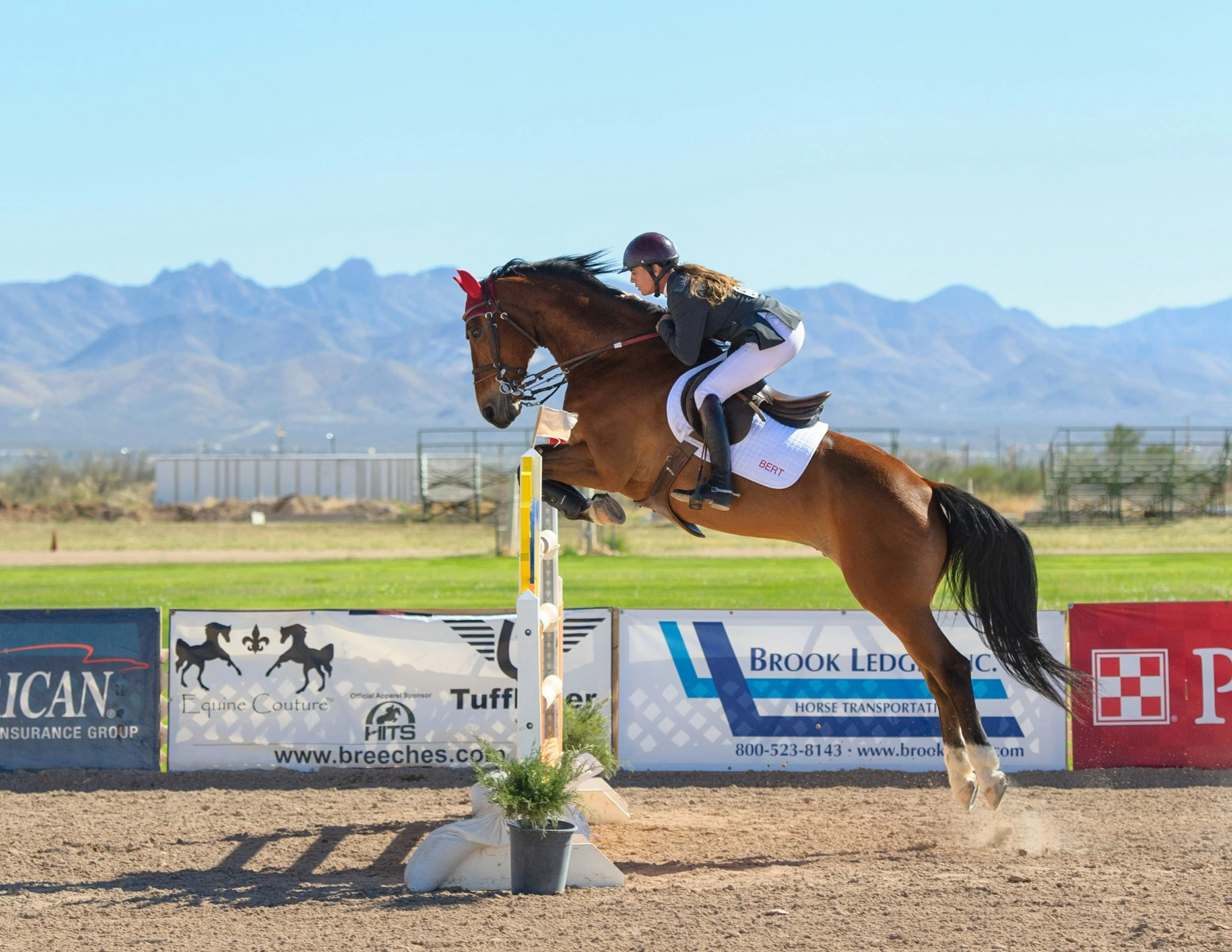
Living in Ocala—the unquestioned Horse Capital of the World—comes with a unique rhythm. Whether you are hauling a multi-horse trailer down I-75, navigating the winding rural roads of Marion County, or simply going about your day-to-day life, the unexpected can happen in a split second. An accident can leave you dealing with physical pain, mounting medical bills, and the overwhelming stress of an uncertain future.
At Ocala Esquire • Ocala Equine, Esq., we understand that injuries disrupt your life, your livelihood, and your passion. If you’ve been injured due to someone else’s negligence, pursuing a personal injury claim is a vital step toward reclaiming your life. Here is what you need to know about navigating the claims process and how partnering with the right Florida attorney makes all the difference.
1. The Immediate Aftermath: Protect Yourself First
The success of any personal injury claim is rooted in the actions you take immediately following the incident.
Seek Medical Attention Immediately: In Florida, you must seek medical treatment within 14 days to activate your Personal Injury Protection (PIP) coverage. Even if you feel 'fine,' the adrenaline of an accident can mask severe injuries.
Document the Scene: If you are able, take clear photos of the accident scene, property damage, and your injuries. If it's a vehicle crash involving a horse trailer, document the positions of the vehicles and any road conditions.
Report the Incident: Ensure a police report or incident report is filed. If you are injured on a farm or at an equestrian facility, report it to the property owner or manager immediately.
2. Understanding Florida's Evolving Injury Laws
Florida personal injury law is notoriously complex and recently underwent significant legislative changes. Working with an attorney who stays ahead of these legal shifts is non-negotiable.
The 2-Year Statute of Limitations: Following the tort reform passed in early 2023, the statute of limitations for general negligence claims in Florida has been reduced. You now have just two years from the date of the accident to file a lawsuit (down from the previous four years). Delaying action can permanently forfeit your right to compensation.
Modified Comparative Negligence: Florida operates under a 'modified comparative negligence' system. This means if you are found to be more than 50% at fault for the accident, you are barred from recovering any damages. If your fault is 50% or less, your compensation is reduced by your percentage of fault. Insurance companies will aggressively try to shift blame onto you. Having a skilled attorney to defend your actions is crucial to maximizing your recovery.
EQUINE-SPECIFIC CONSIDERATIONS
Accidents involving horses, trailers, or equestrian facilities introduce layers of complexity. Florida’s Equine Activity Liability Act (Florida Statutes § 773) protects equine sponsors and professionals from certain liabilities, but it is not a blanket shield. If negligence involves faulty tack, failure to ascertain a rider's ability, or reckless disregard for safety, a valid claim may still exist. Furthermore, accidents involving commercial horse transports often implicate complex commercial insurance policies and federal regulations.
3. Working With Your Attorney: A Collaborative Approach
Hiring a personal injury attorney isn't just about handing over your problems; it’s about forming a partnership to secure your future. Here is how we work together at Ocala Esquire • Ocala Equine, Esq.:
Thorough Investigation and Evidence Gathering: We hit the ground running. While you focus on medical treatment and recovery, our team secures police reports, interviews witnesses, subpoenas traffic or facility camera footage, and consults with accident reconstruction experts. In equestrian cases, we may also review veterinary records, trailer maintenance logs, and commercial transport credentials.
Dealing with the Insurance Companies: Once you hire us, the insurance companies are no longer allowed to contact you directly. We act as your shield. Insurance adjusters are trained to minimize payouts by using your words against you. We handle all communications, ensuring your rights are protected and your narrative remains pristine.
Accurately Valuing Your Claim: A common mistake unrepresented individuals make is accepting a premature settlement that fails to account for future costs. We meticulously calculate your damages, including:
Past and future medical expenses (surgeries, physical therapy, pain management).
Lost wages and diminished earning capacity.
Property damage (including specialized equestrian gear or trailers).
Pain, suffering, and loss of enjoyment of life—especially important if your injury keeps you out of the saddle or off the farm
4. Litigation vs. Settlement
While the vast majority of personal injury cases in Florida settle out of court, your attorney must prepare every case as if it is going to trial. When insurance companies know your legal counsel is ready, willing, and able to present a compelling case to a Marion County jury, they are far more likely to offer a fair settlement. At Ocala Esquire • Ocala Equine, Esq., our reputation in the courtroom commands respect at the negotiating table.
Don’t Ride It Out Alone
Navigating a personal injury claim while trying to heal physically and emotionally is a heavy burden. You do not have to carry it alone. If you have been injured in Ocala or the surrounding areas, timely legal intervention is your best defense against an insurance system designed to limit your recovery.
Contact Ocala Esquire • Ocala Equine, Esq. today for a free, confidential consultation. We will review the facts of your case, explain your legal options, and help you get back on trac
Call: (352) 706-4377 ・ Email: info@ocalaequineesq.com ・ Visit: www.ocalaequineesq.com
Disclaimer: This blog post is intended for informational purposes only and does not constitute legal advice. It is essential to consult with a business attorney experienced in Florida law for personalized guidance relevant to your specific circumstances.
Protecting Your Florida Farm: Estate Planning Essentials
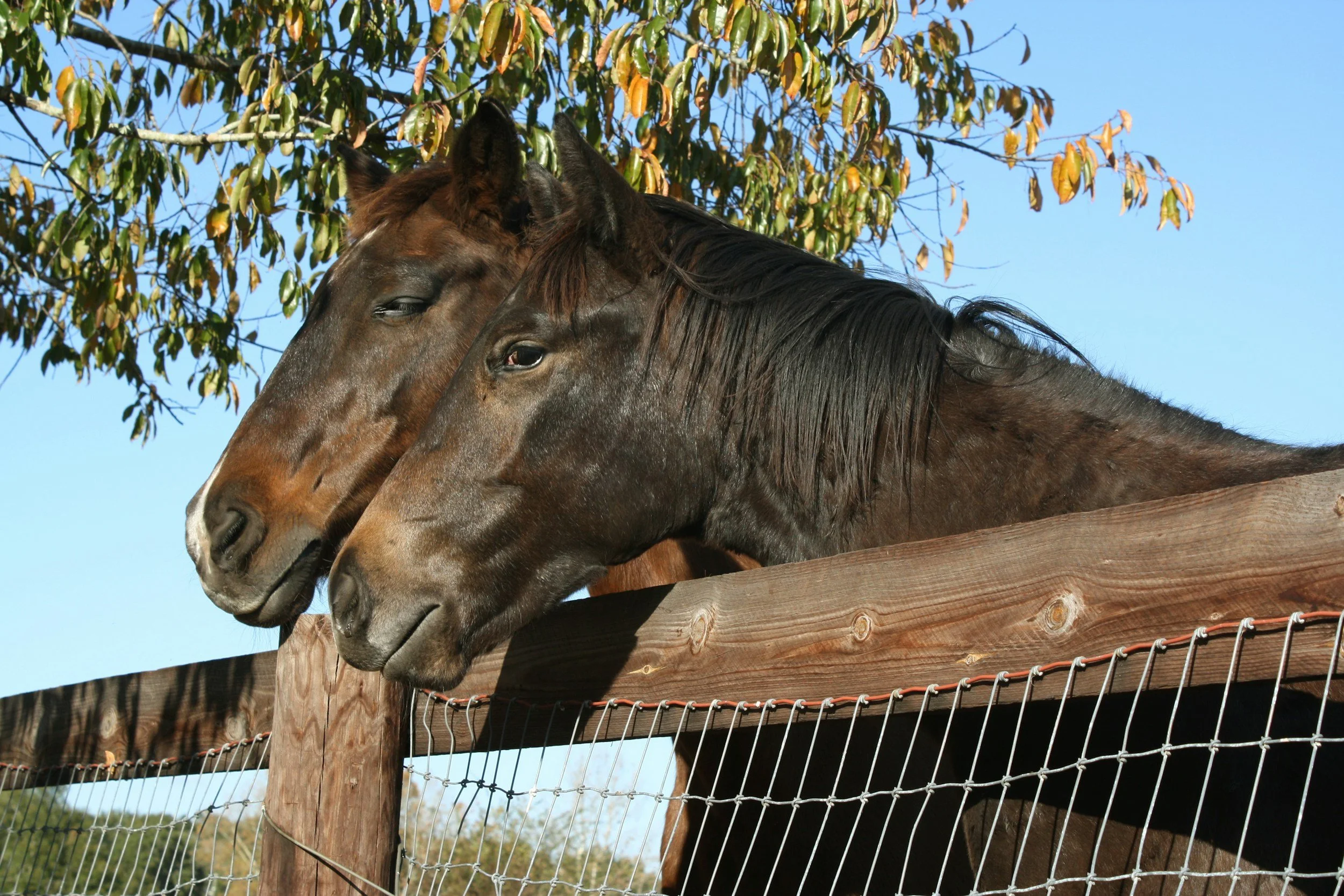
Planning an estate for an Ocala horse farm or agricultural acreage requires a strategy that goes well beyond standard wills and basic revocable living trusts. Known worldwide as the horse capital of the world, Marion County offers a unique intersection of high-value real estate, complex business operations, valuable equine bloodlines, and specialized state tax incentives. When land is tied directly to agricultural production or live animals, a poorly designed estate plan can trigger unnecessary taxes, disrupt daily operations, or force land sales to satisfy probate debts. Protecting a rural legacy demands a clear blueprint that addresses corporate entity structuring, land preservation, asset protection, and operational continuity.
The foundation of any sound agricultural estate plan begins with separating real estate from daily operations. Holding vast acreage and active business operations under a single legal name creates significant liability risk. A single accident involving a horse, heavy machinery, or a visitor on the farm could expose the raw land to personal injury claims and legal judgments. To mitigate this risk, seasoned landowners use a dual-entity structure. Under this strategy, a land-holding entity, such as a limited liability company, owns the underlying real estate and leased pastures, while a separate operating entity handles commercial activities such as breeding, training, boarding, or crop harvesting. The land-holding entity then leases the property to the operating business through a formal agreement. This structure creates an insulating wall that protects the underlying soil from operational debts and lawsuit liabilities, preserving the farm itself for future generations.
After establishing proper business entities, the next key step is placing those assets into a customized trust framework to avoid Florida probate. Allowing large agricultural tracts or equine operations to pass through probate can halt a farm’s activities. Probate processes often last months or over a year, during which accounts may be frozen, contracts delayed, and daily decisions hindered by court procedures. Live animals, seasonal crops, and ongoing farm labor cannot wait for court dates. By transferring your business entities’ membership interests into a revocable living trust, you ensure a successor trustee can immediately step in upon your death or incapacity. This keeps payroll running, veterinary care and feed purchases authorized, and land operations moving smoothly without court delays.
Maintaining Florida’s agricultural tax benefits, known as the Greenbelt classification, is a vital part of local estate planning. Florida law assesses qualifying land used for genuine commercial agriculture based on its current income potential rather than development value, resulting in substantial property tax savings that help keep large properties affordable. However, Greenbelt status depends on actual land use, not ownership history. If land is transferred to heirs or a trust or if active farming stops during an estate transition, the county appraiser can revoke the classification. Losing Greenbelt status can cause property taxes to increase dramatically, often forcing heirs to sell. To prevent this, an estate plan should include clear requirements for ongoing agricultural use and lease provisions that maintain the classification during all transitions.
Equestrian properties add a layer of estate complexity that conventional property owners never encounter. Horses are legally classified as personal property, yet high-value bloodlines, breeding rights, and competition horses require specialized care and significant cash reserves. Standard wills often treat horses the same as farm equipment, which can lead to disastrous delays in care or forced liquidation by personal representatives unfamiliar with the equine industry. Integrating equine trust provisions into your broader estate plan solves this problem. You can set aside specific funds dedicated exclusively to the care, boarding, training, and medical needs of your animals, while naming a qualified equine trustee who understands the industry to oversee their management and eventual rehoming or sale.
Land preservation and division among heirs demand careful long-term planning. It’s common for farm owners to have children who actively manage the land alongside others who have moved away to pursue different careers. Dividing acreage equally among children with differing visions often results in lawsuits and forced land partitions. Estate plans can distribute inheritance fairly without physically splitting the farm. For instance, the child managing the farm can inherit voting interests in the operating entity, while other heirs might receive life insurance proceeds, liquid assets, or non-voting shares that generate income from land leases. To preserve open space permanently, owners might consider conservation easements, which limit future residential development and offer significant estate and income tax benefits.
Lastly, incapacity planning must be addressed with equal weight. A severe injury or illness can prevent you from running the day-to-day business of your property. Executing durable powers of attorney, healthcare surrogates, and clear operating agreements ensures that designated agents have immediate legal authority to sign contracts, manage farm bank accounts, pay vendors, and make operational decisions if you are unable to do so.
Planning an estate for your Ocala horse farm or agricultural property requires harmonizing land management, tax strategy, liability protection, and animal care into one cohesive legal structure. By working with legal professionals who understand both Florida estate law and the unique realities of Marion County’s equestrian and farming industries, you can safeguard your hard-earned assets and ensure your land remains a thriving legacy for generations to come.
Secure Your Legacy Today
Don’t wait for a crisis to discover the vulnerabilities in your operation. In the “Horse Capital”, the best defense is a proactive, high-level legal strategy.
Ready to protect what you’ve built?
Call: (352) 706-4377 ・ Email: info@ocalaequineesq.com ・ Visit: www.ocalaequineesq.com
Disclaimer: This blog post is intended for informational purposes only and does not constitute legal advice. It is essential to consult with a business attorney experienced in Florida law for personalized guidance relevant to your specific circumstances.

Navigating Florida’s $884 Billion Wealth Transfer
Ocala and Marion County have always been defined by legacy. It is stitched into the rolling green pastures of our thoroughbred nurseries, anchored in our historic family-owned businesses, and reflected in the rapid development shaping our skyline. But right now, beneath the surface of our bustling local economy, a quiet seismic shift is underway.
We are standing on the precipice of The Great Wealth Transfer—an unprecedented historical event that will fundamentally reshape the financial, agricultural, and cultural landscape of North Central Florida over the next two decades.
Nationally, an estimated $84+ trillion is projected to change hands by 2045 as Baby Boomers pass their assets down to heirs and charitable organizations. Because of our state's unique tax advantages and influx of high-net-worth retirees, Florida is positioned to absorb a massive slice of this pie. By 2030 alone, an estimated $884 billion in state wealth will transition between generations.
For Ocala and its surrounding communities, this isn’t just an abstract statistic on a spreadsheet. It represents the future of our ranches, the survival of our local businesses, and the preservation of hard-earned family legacies.
Florida’s Unique Context: Why Ocala is Different
While major metro areas like Miami or Naples deal with high-rise luxury portfolios, Marion County's wealth is deeply tied to the land, specialized industries, and unique family dynamics. We aren’t just transferring stocks and bonds; we are transferring complex, living ecosystems.
Our region attracts a large population of high-net-worth retirees, drawn by our world-class equestrian venues such as the World Equestrian Center (WEC), our pristine springs, and our championship golf course communities. When these individuals relocate to Florida, they often bring complex out-of-state estate plans that are ill-suited to Florida’s distinct legal and probate environment.
Without proactive planning, a staggering amount of this $884 billion will be eroded by unnecessary taxes, tied up in prolonged probate battles, or entirely mismanaged by unprepared heirs.
The Four Key Challenges Facing Our Local Communities
Navigating this generational handoff requires recognizing the specific challenges unique to the Ocala area. In our practice, we see four distinct areas where local families are most vulnerable:
1. Real Estate, Ranches, and Development Land
Land is the ultimate premium in Marion County. Wealthy families here often hold massive portfolios consisting of historic horse farms, working cattle ranches, waterfront homes along our rivers, or prime development acreage.
The Challenge: Land is inherently illiquid. If an estate passes a multi-million-dollar ranch to three children who cannot agree on whether to sell to a developer or keep operating the farm, the estate can quickly fracture.
The Risk: Forced liquidations, steep capital gains taxes, and the permanent loss of preserved agricultural land.
2. Specialized Family Businesses
From heavy machinery and agricultural supply to specialized retail and local medical practices, family-owned businesses form the backbone of Ocala’s economy.
The Challenge: Passing a business down involves more than just transferring ownership shares; it requires transferring operational control.
The Risk: If a business owner passes away without a clear, legally binding succession plan, the daily operations can grind to a halt. Employees lose security, valuation plummets, and a business that took forty years to build can dissolve in a matter of months.
3. Equine Operations and Living Assets
As the “Horse Capital of the World”, Ocala handles estate planning assets that breathe, eat, and require elite daily care. Equine wealth encompasses valuable sport horses, racing thoroughbreds, breeding syndicates, training facilities, and future stallion rights.
The Challenge: A standard, cookie-cutter estate plan treats a horse the same way it treats a used car or a piece of jewelry. This is a catastrophic mistake. Horses require immediate, uninterrupted funding for feed, veterinary care, insurance, and professional training.
The Risk: If assets are frozen during a standard probate process, who pays the boarding fees? Who makes life-or-death veterinary decisions? Specialized knowledge is non-negotiable here.
4. Modern Blended Families
Ocala and surrounding retirement hubs like The Villages are home to vibrant communities of retirees who have remarried later in life.
The Challenge: Blended families feature highly complex emotional and financial dynamics. A standard “all to my spouse” arrangement can inadvertently disinherit biological children from a previous marriage.
The Risk: Bitter estate litigation, fractured family relationships, and wealth ending up in the hands of unintended parties.
The Blueprint for Strategic Legal Stewardship
Securing your share of Florida's $884 billion transfer requires moving beyond basic internet forms and embracing Strategic Legal Stewardship. A truly protective estate plan serves as a fortress around your assets, ensuring your wishes are carried out seamlessly.
Comprehensive Wills vs. The Power of Trusts
While a comprehensive will is a foundational element of any estate plan, relying on a will alone means your estate must go through the public, time-consuming, and costly process of Florida probate.
To achieve true control, Specialized Trusts (both Revocable and Irrevocable) are the gold standard. A trust allows your assets to bypass probate entirely, keeping your financial affairs strictly private and allowing your heirs immediate access to their inheritance without judicial interference.
Advanced Asset Protection
We live in a highly litigious society. True stewardship means protecting your wealth before it passes to the next generation. By utilizing advanced asset protection strategies—such as Family Limited Partnerships (FLPs) or specialized domestic asset protection trusts—we can shield your land, businesses, and investments from predatory lawsuits, creditors, and failed marriages.
Specialized Equine & Property Trusts
For horse owners, a Specialized Equine Trust is a vital tool. These trusts allow you to designate specific caretakers for your horses, outline exact care instructions (down to their daily turnout routine), and set aside immediate, tax-sheltered funds to pay for their upkeep the moment you pass away, entirely bypassing court delays.
Securing Your Legacy Today
The Great Wealth Transfer is not a distant future event—it is happening right now. The decisions you make today will echo for generations, determining whether your wealth becomes a tool of empowerment for your children and community, or a source of stressful legal chaos.
Don’t leave your family’s future to chance. At Ocala Esquire • Ocala Equine, Esq., we combine deep roots in the North Central Florida community with elite, specialized legal expertise to safeguard what matters most to you.
Whether you are looking to protect a thousand-acre thoroughbred facility, transition a beloved family business, or shield your retirement portfolio from unnecessary taxation, we are here to guide you every step of the way.
Call: (352) 706-4377 ・ Email: info@ocalaequineesq.com ・ Visit: www.ocalaequineesq.com
Disclaimer: This blog post serves informational purposes only and should not be construed as legal or financial advice. Always consult with qualified professionals to discuss your unique circumstances and receive personalized guidance.

Guide to Successful Family Office Succession
The survival of a family office across generations is rarely an accident of birthright; it is the result of a deliberate, long-term commitment to succession planning. For many high-net-worth families, the family office serves as the central nervous system for their financial, legal, and philanthropic lives. However, without a robust roadmap for transitioning leadership and governance, this nervous system can quickly succumb to internal friction, tax inefficiencies, and the erosion of the family legacy. In this context, succession planning must move beyond simply identifying a replacement and instead focus on preserving human, intellectual, and social capital.
A primary challenge in family office succession is the psychological weight of the “founder’s shadow”. Often, the first generation (G1) possesses an intuitive grasp of the wealth’s origin and a personal command over the staff and advisors. Transitioning this power to the second generation (G2) or to a professionalized non-family executive requires formalizing processes that were previously informal. This evolution from a “founder-centric” model to a “process-centric” model is the most critical hurdle. It involves documenting the philosophy of the wealth, establishing clear governance structures, and ensuring that the rising generation is not only competent in financial management but also deeply aligned with the family’s core values.
Governance and the Institutionalization of Trust
At the heart of a successful transition is a formal governance framework. In the early stages of a family office, decisions are often made at the dinner table. While this approach offers agility, it lacks the scalability and legal protections needed for long-term sustainability. Effective succession planning establishes a Family Council or a Board of Directors to separate family dynamics from business decisions. This structure provides a forum for managing expectations and mediating disputes through pre-established protocols rather than emotional outbursts.
By institutionalizing trust through a board, the family office protects itself against the risks of “sudden vacancy”. Should a principal become incapacitated or pass away unexpectedly, the governance framework ensures that the office continues to function without a vacuum of authority. This includes clearly defined roles for professional advisors—such as legal counsel, tax experts, and investment officers—who provide the continuity needed when the family leadership is in flux. These professionals act as the “institutional memory” of the office, holding the blueprints of the family’s estate plans and corporate structures while the next generation finds its footing.
Technical Architecture and Legal Fortification
From a technical perspective, succession planning must be integrated with sophisticated estate and tax strategies. The transfer of wealth is a highly regulated event, often subject to significant tax liabilities that can decimate a portfolio if not properly managed. Utilizing tools such as Grantor Retained Annuity Trusts (GRATs), Family Limited Partnerships (FLPs), or Dynasty Trusts allows the family office to shift assets to the next generation while minimizing the impact of gift and estate taxes. These legal vehicles do more than just save money; they provide a structured timeline for the transfer of control.
Additionally, the legal framework must adapt to the growing complexity of modern family structures. This includes addressing issues such as blended families, geographically dispersed heirs, and varying levels of interest among siblings in the family’s main business or investments. The succession plan should be sufficiently flexible to accommodate both those who want to actively participate in managing the office and those who prefer to be passive beneficiaries. Key elements such as shareholder agreements and buy-sell provisions are crucial because they provide a predefined exit strategy for family members seeking to diversify their holdings without disrupting the office's core assets.
Cultivating the Rising Generation
The most overlooked aspect of succession is preparing the heirs. True readiness is not measured by an MBA or a stint at an investment bank, though these are valuable; it is measured by a deep understanding of the responsibilities that come with wealth. The family office should serve as an educational incubator for the next generation. This can be achieved through “shadowing” programs, in which younger family members sit in on investment committee meetings or work alongside the Chief Investment Officer.
Educational initiatives should also extend to the family’s philanthropic endeavors. Often, philanthropy serves as a low-stakes training ground where the next generation can learn about board service, grantmaking, and financial oversight before taking on the heavier responsibilities of the family’s core wealth management. By giving the rising generation autonomy over a portion of the family’s charitable foundation, current leadership can observe their decision-making and leadership styles in real time. This allows for a gradual handoff of responsibility, building confidence in the successor while providing the incumbent with peace of mind.
The Role of Professional Management
As family offices grow in complexity, the question often arises about whether the successor should be a family member or a professional third party. While many families desire a bloodline successor, the reality of modern global markets often demands expertise that may not exist within the family. A hybrid model—where a professional CEO or Executive Director manages day-to-day operations while the family retains oversight via the board—is increasingly common.
This professionalization is a vital part of the succession plan. It removes the burden of administrative and technical management from the family, allowing them to focus on the “vision” and “legacy” aspects of their wealth. A professional executive also brings an objective perspective to the table, which can be invaluable during times of family conflict. However, the search for such an executive must be handled with care, as the cultural fit between a non-family professional and the family’s unique ethos is just as important as their financial acumen.
Contingency Planning and the “Stress Test”
A succession plan is only as good as its performance under pressure. Every family office should conduct periodic “stress testing” of its plan. This involves simulating scenarios such as the sudden death of a principal, a major market downturn, or a legal challenge to a trust. By walking through these scenarios, the family and their advisors can identify gaps in the plan—such as outdated powers of attorney, insufficient liquidity for tax payments, or ambiguities in the decision-making hierarchy.
Contingency planning also requires attention to digital security and information management. In the digital age, a significant portion of a family office’s “value” resides in passwords, private keys, and digital records. The succession protocol must include a secure, encrypted “vault” that holds the master keys to the family’s digital life. Ensuring the successor has immediate, legal access to these assets is a logistical detail that, if ignored, can cause immense frustration and financial loss during an already difficult transition.
Communication and the Emotional Landscape
The greatest threat to family office succession is not tax law or market volatility; it is silence. When the principal keeps their plans secret, it creates an environment of anxiety and competition among the next generation. Transparency is the antidote to this friction. Regular family meetings where the succession plan is discussed openly—within age-appropriate bounds—ensure that everyone knows what to expect.
These discussions should focus on the “why” behind the plan. When heirs understand that a trust was structured a certain way to protect the family’s long-term security, rather than as a lack of trust in their abilities, they are more likely to support the structure. A “Family Mission Statement” can serve as a guiding light during these transitions, reminding everyone of the shared goals and values the wealth is meant to serve. This alignment of purpose is what transforms a collection of assets into a legacy.
The Evolution of the Plan
Succession planning should be seen as an ongoing process rather than a single event. Since the legal environment, family objectives, and the global economy are continually evolving, a plan created in 2020 might become outdated by 2030 due to changes in tax law or family developments. It is advisable to review the plan formally at least every three to five years or whenever a major "life event" occurs, such as marriage, divorce, birth, or a significant shift in business holdings.
By approaching succession with a proactive, multidisciplinary mindset, the family office can navigate the perilous waters of generational transfer. It requires a balance of hard technical skills—legal, financial, and tax—and soft human skills—communication, education, and leadership development. When these elements are harmonized, the family office ceases to be a mere repository of wealth and becomes a resilient institution capable of supporting the family’s aspirations for generations to come. The goal is a seamless transition in which the baton is passed without a stumble, ensuring that the wealth serves as a foundation for the future rather than a source of discord.
Call: (352) 706-4377 ・ Email: info@ocalaequineesq.com ・ Visit: www.ocalaequineesq.com
Disclaimer: This blog post is intended for informational purposes only and does not constitute legal advice. It is essential to consult with a business attorney experienced in Florida law for personalized guidance relevant to your specific circumstances.

Why Solid Contracts Are the Bedrock of Ocala’s Economy?
In Ocala, the “Horse Capital of the World”, business has traditionally been sealed with a firm handshake and a person’s word. There is a deep-seated pride in this tradition, a nod to a time when your reputation in the barn was your greatest asset. But as we move through 2026, Ocala has transformed from a quiet equestrian enclave into a multi-billion-dollar regional hub. Today, our ‘Horse Capital” is also a capital of logistics, a hotspot for real estate investment, and a growing center for specialized manufacturing.
At Ocala Esquire • Ocala Equine, Esq., we represent the diverse pulse of this community. Whether you are a trainer in Williston, a store owner in Marion Oaks, or a logistics operator near the I-75 corridor, the same truth remains: Relying on informal agreements is no longer a tradition—it is a significant liability. A well-drafted contract is not a sign of distrust; it is the most effective tool you have to preserve professional relationships and safeguard your livelihood in a complex modern economy. That’s where your consistent, direct contact with Attorney Jorge E. Sevilla sets Ocala Esquire • Ocala Equine, Esq. apart
1. Defining the “Meeting of the Minds”
The primary function of any legal agreement is to ensure a “meeting of the minds”. In the fast-paced Ocala market—where industrial inventory is approaching 11 million square feet—ambiguity is the enemy of profit.
Without a written document, critical details are left to memory. Consider a commercial construction project in Belleview: Does the quote include site grading and environmental mitigation? What is the specific timeline for completion before “liquidated damages” apply? When these details are not codified, “gray areas” emerge. These lead to misunderstandings that sour professional relationships. A solid contract clarifies every aspect of the transaction, defining expectations, deadlines, and deliverables to minimize surprises.
2. Navigating Florida’s New Legal Landscape (2026)
As of July 1, 2026, Florida is implementing the Protected Series LLC Law. This is a game-changer for Ocala business owners who manage multiple assets, such as a farm owner who also runs a separate hauling company or a real estate investor with properties in both Silver Springs Shores and Dunnellon.
This new law allows a single LLC to create “protected series” to segregate assets and liabilities without the administrative burden of filing dozens of separate companies. However, to benefit from these protections, your internal operating agreements and external contracts must be meticulously drafted to recognize these distinctions. Without a precise contract that reflects this 2026 statutory update, you risk “piercing the corporate veil”, potentially exposing your personal assets to business debts.
3. Risk Mitigation in the “Horse Capital”
Ocala’s economy is uniquely intertwined with high-value, unpredictable assets. For equine businesses, this means the inherent risk of animal behavior. For the surrounding construction and landscaping sectors in Dunnellon or Williston, this means navigating the physical risks posed by land clearing and heavy machinery.
Professional contracts include essential liability waivers and indemnification clauses. For instance:
Equine: A boarding contract must clearly outline the stable's limit of liability for a horse’s illness or injury.
Logistics/Retail: A supply agreement should include Force Majeure clauses to address supply chain disruptions or Florida’s perennial hurricane risks.
By identifying risks upfront and allocating them fairly between parties, you create a safety net that prevents a single accident from bankrupting your operation.
4. Financial Security and Recourse
In a business climate where homes start in the high $200s and commercial rents are rising, cash flow is king. When a client fails to pay for custom manufacturing, or a buyer backs out of a real estate deal, your bottom line suffers.
A solid contract establishes clear payment terms, including late fees and interest. Under Florida law, businesses can charge up to 18 percent annual interest on commercial debt—but only if that rate is expressly stated in the written contract. Furthermore, specialized liens—such as the “stableman’s lien” for horse professionals or mechanic's liens for contractors—provide a mechanism for recourse that is nearly impossible to enforce without a signed agreement.
5. Preventing “Scope Creep”
In Ocala’s booming service sector—from high-end landscape design in 55+ communities like On Top of the World to tech firms in the city center— “scope creep” is a common profit killer. This occurs when a project expands beyond the original agreement without additional compensation.
A professional contract includes a Change Order provision. This requires any modification to the project’s scope, price, or timeline to be documented in writing and signed by both parties. This keeps expectations aligned and ensures you are paid for every hour of work and every ounce of material delivered.
6. Enhancing Professionalism and Credibility
Finally, presenting a client with a professional contract demonstrates that you are an organized, serious business owner. Whether you are negotiating a bloodstock commission or a multi-unit lease in an industrial park, a contract sets a professional tone from day one.
Ironically, formal contracts often foster more trust, not less. They give your clients the confidence that comes with knowing exactly what they are paying for. In a community as tight-knit as Ocala, where word-of-mouth is everything, having a reputation for clear, fair, and professional dealings is your most valuable asset.
Conclusion: Protect What You’ve Built
In 2026, Ocala is no longer a small town; it is a global destination. Your business is too valuable to be left to the whims of a “handshake deal” that may be remembered differently by two different people. While a handshake signifies your intent to do business, a contract ensures your ability to stay in business.
At Ocala Esquire • Ocala Equine, Esq., we are dedicated to helping our neighbors—from the barn to the boardroom—fortify their interests. Don't wait for a dispute to realize the value of a solid agreement. Secure your future today so you can focus on leading Ocala into its next era of growth.
Are your current agreements up to the 2026 standards? Contact Ocala Esquire • Ocala Equine, Esq. today for a comprehensive contract audit or to draft custom agreements tailored to your specific industry.
Call: (352) 706-4377 ・ Email: info@ocalaequineesq.com ・ Visit: www.ocalaequineesq.com
Disclaimer: This blog post is intended for informational purposes only and does not constitute legal advice. It is essential to consult with a business attorney experienced in Florida law for personalized guidance relevant to your specific circumstances.

Protect Your Assets: Ocala Farm Owners’ Legal Shield
Beyond the Warning Sign: Why Ocala Farm Owners Trust the Strategic Shield of Ocala Equine, Esq.
In the “Horse Capital of the World,” your farm is more than a business—it is a legacy built on grit, discipline, and a deep commitment to the equine industry. Whether you operate an elite training facility near the World Equestrian Center, manage a high-value boarding program, or oversee a multi-generational breeding operation, you know your assets are unlike any other. They are living, breathing, valuable, and inherently unpredictable. That reality creates extraordinary opportunity, but it also creates serious legal exposure.
In an environment where the stakes are as high as the fences, generic legal advice is not enough. Farm owners in Ocala need counsel that understands the daily realities of horse operations: the risks of rider injury, the challenges of managing staff and independent contractors, the complexities of horse sales and leases, and the constant possibility that one incident can trigger devastating financial consequences. At Ocala Esquire • Ocala Equine, Esq., led by Attorney Jorge E. Sevilla, we provide the white-glove strategic foresight farm owners need to protect what they have built and position their operations for long-term success.
Here are the top three reasons why Ocala farm owners should engage Ocala Esquire • Ocala Equine, Esq. to safeguard their assets, operations, and future.
1. Closing the Hidden Gaps in Florida’s Equine Liability Statute
Many farm owners place too much confidence in the standard statutory “Warning” signs posted at their entrances, believing those signs provide broad immunity from liability. They do not. This is one of the most dangerous assumptions in the Florida equine industry. While the law offers important protections, it is not a shield against every claim. In fact, it contains key exceptions that experienced plaintiff’s attorneys know how to target, including faulty tack or equipment, dangerous land conditions, inadequate matching of horse and rider, and failures in supervision or operational judgment.
That means your liability exposure does not begin and end with compliance signage. If your business practices do not support your legal defenses, your operation may be far more vulnerable than you realize.
At Ocala Esquire • Ocala Equine, Esq., we do far more than tell clients to post a sign and hope for the best. We conduct a deep-dive Liability Audit designed to identify weaknesses before they become claims. We examine your day-to-day operations, including rider screening procedures, staff protocols, facility maintenance, tack inspection practices, lesson structures, release forms, and incident response planning. We assess whether your current systems would stand up under scrutiny in a deposition, mediation, or courtroom.
This proactive approach matters. In the equine world, preventable oversights can lead to expensive lawsuits. A waiver with weak language, inconsistent safety practices, or poor documentation can undermine your entire defense strategy. Our goal is to close those hidden gaps, strengthen your risk management framework, and ensure your legal protections are backed by operational discipline. A safety net is only effective if it has no holes.
2. Replacing Boilerplate Risks with High-Precision Contracts
Too many horse businesses still rely on handshake deals, outdated templates, and waivers copied from the internet. That is not simply informal—it is reckless. In Florida, liability waivers and equine-related contracts must meet strict legal standards to be enforceable. If they are vague, inconsistent, overly broad, or poorly tailored to your operation, a court may refuse to enforce them at the exact moment you need them most.
For farm owners handling valuable horses, high-dollar transactions, and regular customer interaction, that kind of exposure is unacceptable.
At Ocala Esquire • Ocala Equine, Esq., we reject the cookie-cutter approach. We create bespoke contracts tailored to your business model, services, and risk profile. Whether you need boarding agreements, training contracts, lesson packages, sales documents, leases, consignment agreements, independent contractor arrangements, or liability releases, every document must work together as part of a larger legal strategy.
Precision matters in every clause. Who bears the risk of veterinary emergencies? What happens when a horse is injured in training? How are commissions earned and paid in a sale? Who has the authority to approve medical treatment? What representations are being made—or expressly disclaimed—in a transaction? These are not minor details. They are the terms that determine whether a dispute can be resolved quickly or turns into costly litigation.
From managing the risks of bloodstock acquisitions to drafting strong “As-Is” provisions in six- and seven-figure sales, we help ensure your contracts do more than exist on paper. They protect your revenue, define expectations, allocate risk, and reflect the true value of your operation. A well-run farm deserves legal documents that are as disciplined and professional as the business itself.
3. White-Glove Asset Siloing and Legacy Protection
A single riding accident, employee claim, or business dispute should never put your land, home, savings, or family legacy at risk. Yet many Ocala farm owners operate under structures that unnecessarily expose personal assets. They may have formed an entity years ago but never updated it, never properly separated key assets, or never maintained the formalities needed to preserve liability protection.
That is where strategic asset siloing becomes essential.
Ocala Esquire • Ocala Equine, Esq. helps owners implement sophisticated asset protection strategies designed for the realities of equine operations. This includes strategic entity structuring that separates real estate holdings from active equine businesses so that one area of risk does not automatically endanger everything else. It also includes ongoing guidance to preserve the corporate shield through proper governance, documentation, and operational discipline—reducing the risk that a claimant could attempt to pierce the corporate veil and reach personal assets.
We also assist with long-term legacy planning through equine-focused estate strategies, including trusts that account for horses, land, business interests, and succession goals. For many owners, this is not just about liability protection. It is about ensuring that a lifetime of work is preserved, transferred intentionally, and protected for the next generation.
Your farm is not ordinary, and your legal strategy should not be either. In Ocala’s equine economy, success brings visibility, and visibility brings risk. The right legal counsel does more than react to problems after they arise. It anticipates them, contains them, and builds a structure strong enough to support your business for years to come.
At Ocala Esquire • Ocala Equine, Esq., we help farm owners move from vulnerable to fortified. If you are serious about protecting your operation, your assets, and your legacy, now is the time to act—not after a claim is filed, a contract is challenged, or a preventable mistake becomes a financial crisis.
Secure Your Legacy Today
Don’t wait for a crisis to discover the vulnerabilities in your operation. In the “Horse Capital”, the best defense is a proactive, high-level legal strategy.
Ready to protect what you’ve built?
Contact Ocala Esquire • Ocala Equine, Esq. today to schedule your strategic consultation. Let us handle the complexities of the law while you focus on what you do best: leading the equine industry.
Call: (352) 706-4377 ・ Email: info@ocalaequineesq.com ・ Visit: www.ocalaequineesq.com
Disclaimer: This blog post is intended for informational purposes only and does not constitute legal advice. It is essential to consult with an experienced attorney for personalized guidance relevant to your specific circumstances.