Essential Steps After a Florida Personal Injury
Living in Ocala—the unquestioned Horse Capital of the World—comes with a unique rhythm. Whether you are hauling a multi-horse trailer down I-75, navigating the winding rural roads of Marion County, or simply going about your day-to-day life, the unexpected can happen in a split second. An accident can leave you dealing with physical pain, mounting medical bills, and the overwhelming stress of an uncertain future.
At Ocala Esquire • Ocala Equine, Esq., we understand that injuries disrupt your life, your livelihood, and your passion. If you’ve been injured due to someone else’s negligence, pursuing a personal injury claim is a vital step toward reclaiming your life. Here is what you need to know about navigating the claims process and how partnering with the right Florida attorney makes all the difference.
1. The Immediate Aftermath: Protect Yourself First
The success of any personal injury claim is rooted in the actions you take immediately following the incident.
Seek Medical Attention Immediately: In Florida, you must seek medical treatment within 14 days to activate your Personal Injury Protection (PIP) coverage. Even if you feel 'fine,' the adrenaline of an accident can mask severe injuries.
Document the Scene: If you are able, take clear photos of the accident scene, property damage, and your injuries. If it's a vehicle crash involving a horse trailer, document the positions of the vehicles and any road conditions.
Report the Incident: Ensure a police report or incident report is filed. If you are injured on a farm or at an equestrian facility, report it to the property owner or manager immediately.
2. Understanding Florida's Evolving Injury Laws
Florida personal injury law is notoriously complex and recently underwent significant legislative changes. Working with an attorney who stays ahead of these legal shifts is non-negotiable.
The 2-Year Statute of Limitations: Following the tort reform passed in early 2023, the statute of limitations for general negligence claims in Florida has been reduced. You now have just two years from the date of the accident to file a lawsuit (down from the previous four years). Delaying action can permanently forfeit your right to compensation.
Modified Comparative Negligence: Florida operates under a 'modified comparative negligence' system. This means if you are found to be more than 50% at fault for the accident, you are barred from recovering any damages. If your fault is 50% or less, your compensation is reduced by your percentage of fault. Insurance companies will aggressively try to shift blame onto you. Having a skilled attorney to defend your actions is crucial to maximizing your recovery.
EQUINE-SPECIFIC CONSIDERATIONS
Accidents involving horses, trailers, or equestrian facilities introduce layers of complexity. Florida’s Equine Activity Liability Act (Florida Statutes § 773) protects equine sponsors and professionals from certain liabilities, but it is not a blanket shield. If negligence involves faulty tack, failure to ascertain a rider's ability, or reckless disregard for safety, a valid claim may still exist. Furthermore, accidents involving commercial horse transports often implicate complex commercial insurance policies and federal regulations.
3. Working With Your Attorney: A Collaborative Approach
Hiring a personal injury attorney isn't just about handing over your problems; it’s about forming a partnership to secure your future. Here is how we work together at Ocala Esquire • Ocala Equine, Esq.:
Thorough Investigation and Evidence Gathering: We hit the ground running. While you focus on medical treatment and recovery, our team secures police reports, interviews witnesses, subpoenas traffic or facility camera footage, and consults with accident reconstruction experts. In equestrian cases, we may also review veterinary records, trailer maintenance logs, and commercial transport credentials.
Dealing with the Insurance Companies: Once you hire us, the insurance companies are no longer allowed to contact you directly. We act as your shield. Insurance adjusters are trained to minimize payouts by using your words against you. We handle all communications, ensuring your rights are protected and your narrative remains pristine.
Accurately Valuing Your Claim: A common mistake unrepresented individuals make is accepting a premature settlement that fails to account for future costs. We meticulously calculate your damages, including:
Past and future medical expenses (surgeries, physical therapy, pain management).
Lost wages and diminished earning capacity.
Property damage (including specialized equestrian gear or trailers).
Pain, suffering, and loss of enjoyment of life—especially important if your injury keeps you out of the saddle or off the farm
4. Litigation vs. Settlement
While the vast majority of personal injury cases in Florida settle out of court, your attorney must prepare every case as if it is going to trial. When insurance companies know your legal counsel is ready, willing, and able to present a compelling case to a Marion County jury, they are far more likely to offer a fair settlement. At Ocala Esquire • Ocala Equine, Esq., our reputation in the courtroom commands respect at the negotiating table.
Don’t Ride It Out Alone
Navigating a personal injury claim while trying to heal physically and emotionally is a heavy burden. You do not have to carry it alone. If you have been injured in Ocala or the surrounding areas, timely legal intervention is your best defense against an insurance system designed to limit your recovery.
Contact Ocala Esquire • Ocala Equine, Esq. today for a free, confidential consultation. We will review the facts of your case, explain your legal options, and help you get back on trac
Call: (352) 706-4377 ・ Email: info@ocalaequineesq.com ・ Visit: www.ocalaequineesq.com
Disclaimer: This blog post is intended for informational purposes only and does not constitute legal advice. It is essential to consult with a business attorney experienced in Florida law for personalized guidance relevant to your specific circumstances.
Protecting Your Florida Farm: Estate Planning Essentials
Planning an estate for an Ocala horse farm or agricultural acreage requires a strategy that goes well beyond standard wills and basic revocable living trusts. Known worldwide as the horse capital of the world, Marion County offers a unique intersection of high-value real estate, complex business operations, valuable equine bloodlines, and specialized state tax incentives. When land is tied directly to agricultural production or live animals, a poorly designed estate plan can trigger unnecessary taxes, disrupt daily operations, or force land sales to satisfy probate debts. Protecting a rural legacy demands a clear blueprint that addresses corporate entity structuring, land preservation, asset protection, and operational continuity.
The foundation of any sound agricultural estate plan begins with separating real estate from daily operations. Holding vast acreage and active business operations under a single legal name creates significant liability risk. A single accident involving a horse, heavy machinery, or a visitor on the farm could expose the raw land to personal injury claims and legal judgments. To mitigate this risk, seasoned landowners use a dual-entity structure. Under this strategy, a land-holding entity, such as a limited liability company, owns the underlying real estate and leased pastures, while a separate operating entity handles commercial activities such as breeding, training, boarding, or crop harvesting. The land-holding entity then leases the property to the operating business through a formal agreement. This structure creates an insulating wall that protects the underlying soil from operational debts and lawsuit liabilities, preserving the farm itself for future generations.
After establishing proper business entities, the next key step is placing those assets into a customized trust framework to avoid Florida probate. Allowing large agricultural tracts or equine operations to pass through probate can halt a farm’s activities. Probate processes often last months or over a year, during which accounts may be frozen, contracts delayed, and daily decisions hindered by court procedures. Live animals, seasonal crops, and ongoing farm labor cannot wait for court dates. By transferring your business entities’ membership interests into a revocable living trust, you ensure a successor trustee can immediately step in upon your death or incapacity. This keeps payroll running, veterinary care and feed purchases authorized, and land operations moving smoothly without court delays.
Maintaining Florida’s agricultural tax benefits, known as the Greenbelt classification, is a vital part of local estate planning. Florida law assesses qualifying land used for genuine commercial agriculture based on its current income potential rather than development value, resulting in substantial property tax savings that help keep large properties affordable. However, Greenbelt status depends on actual land use, not ownership history. If land is transferred to heirs or a trust or if active farming stops during an estate transition, the county appraiser can revoke the classification. Losing Greenbelt status can cause property taxes to increase dramatically, often forcing heirs to sell. To prevent this, an estate plan should include clear requirements for ongoing agricultural use and lease provisions that maintain the classification during all transitions.
Equestrian properties add a layer of estate complexity that conventional property owners never encounter. Horses are legally classified as personal property, yet high-value bloodlines, breeding rights, and competition horses require specialized care and significant cash reserves. Standard wills often treat horses the same as farm equipment, which can lead to disastrous delays in care or forced liquidation by personal representatives unfamiliar with the equine industry. Integrating equine trust provisions into your broader estate plan solves this problem. You can set aside specific funds dedicated exclusively to the care, boarding, training, and medical needs of your animals, while naming a qualified equine trustee who understands the industry to oversee their management and eventual rehoming or sale.
Land preservation and division among heirs demand careful long-term planning. It’s common for farm owners to have children who actively manage the land alongside others who have moved away to pursue different careers. Dividing acreage equally among children with differing visions often results in lawsuits and forced land partitions. Estate plans can distribute inheritance fairly without physically splitting the farm. For instance, the child managing the farm can inherit voting interests in the operating entity, while other heirs might receive life insurance proceeds, liquid assets, or non-voting shares that generate income from land leases. To preserve open space permanently, owners might consider conservation easements, which limit future residential development and offer significant estate and income tax benefits.
Lastly, incapacity planning must be addressed with equal weight. A severe injury or illness can prevent you from running the day-to-day business of your property. Executing durable powers of attorney, healthcare surrogates, and clear operating agreements ensures that designated agents have immediate legal authority to sign contracts, manage farm bank accounts, pay vendors, and make operational decisions if you are unable to do so.
Planning an estate for your Ocala horse farm or agricultural property requires harmonizing land management, tax strategy, liability protection, and animal care into one cohesive legal structure. By working with legal professionals who understand both Florida estate law and the unique realities of Marion County’s equestrian and farming industries, you can safeguard your hard-earned assets and ensure your land remains a thriving legacy for generations to come.
Secure Your Legacy Today
Don’t wait for a crisis to discover the vulnerabilities in your operation. In the “Horse Capital”, the best defense is a proactive, high-level legal strategy.
Ready to protect what you’ve built?
Call: (352) 706-4377 ・ Email: info@ocalaequineesq.com ・ Visit: www.ocalaequineesq.com
Disclaimer: This blog post is intended for informational purposes only and does not constitute legal advice. It is essential to consult with a business attorney experienced in Florida law for personalized guidance relevant to your specific circumstances.
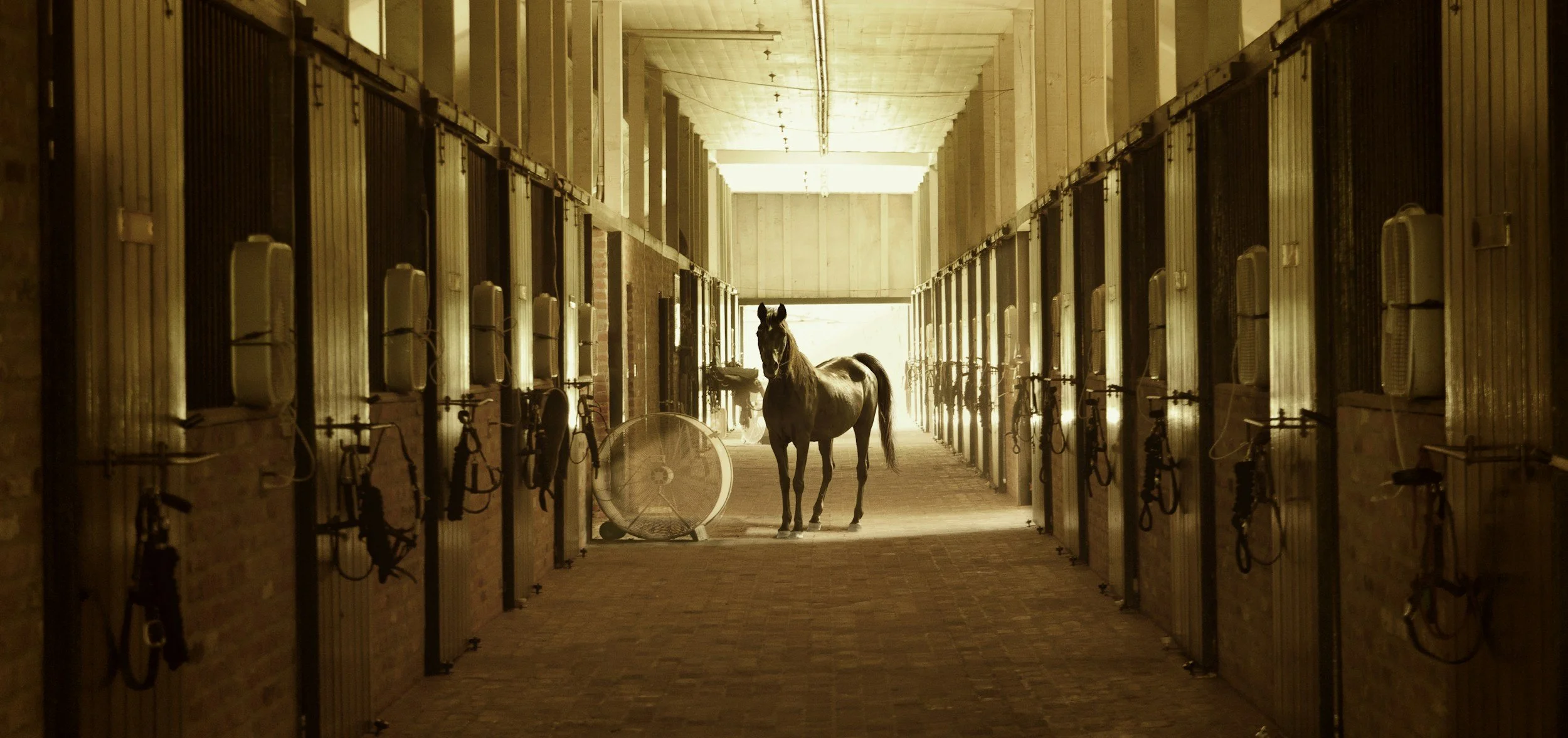
Protect Your Assets: Ocala Farm Owners’ Legal Shield
Beyond the Warning Sign: Why Ocala Farm Owners Trust the Strategic Shield of Ocala Equine, Esq.
In the “Horse Capital of the World,” your farm is more than a business—it is a legacy built on grit, discipline, and a deep commitment to the equine industry. Whether you operate an elite training facility near the World Equestrian Center, manage a high-value boarding program, or oversee a multi-generational breeding operation, you know your assets are unlike any other. They are living, breathing, valuable, and inherently unpredictable. That reality creates extraordinary opportunity, but it also creates serious legal exposure.
In an environment where the stakes are as high as the fences, generic legal advice is not enough. Farm owners in Ocala need counsel that understands the daily realities of horse operations: the risks of rider injury, the challenges of managing staff and independent contractors, the complexities of horse sales and leases, and the constant possibility that one incident can trigger devastating financial consequences. At Ocala Esquire • Ocala Equine, Esq., led by Attorney Jorge E. Sevilla, we provide the white-glove strategic foresight farm owners need to protect what they have built and position their operations for long-term success.
Here are the top three reasons why Ocala farm owners should engage Ocala Esquire • Ocala Equine, Esq. to safeguard their assets, operations, and future.
1. Closing the Hidden Gaps in Florida’s Equine Liability Statute
Many farm owners place too much confidence in the standard statutory “Warning” signs posted at their entrances, believing those signs provide broad immunity from liability. They do not. This is one of the most dangerous assumptions in the Florida equine industry. While the law offers important protections, it is not a shield against every claim. In fact, it contains key exceptions that experienced plaintiff’s attorneys know how to target, including faulty tack or equipment, dangerous land conditions, inadequate matching of horse and rider, and failures in supervision or operational judgment.
That means your liability exposure does not begin and end with compliance signage. If your business practices do not support your legal defenses, your operation may be far more vulnerable than you realize.
At Ocala Esquire • Ocala Equine, Esq., we do far more than tell clients to post a sign and hope for the best. We conduct a deep-dive Liability Audit designed to identify weaknesses before they become claims. We examine your day-to-day operations, including rider screening procedures, staff protocols, facility maintenance, tack inspection practices, lesson structures, release forms, and incident response planning. We assess whether your current systems would stand up under scrutiny in a deposition, mediation, or courtroom.
This proactive approach matters. In the equine world, preventable oversights can lead to expensive lawsuits. A waiver with weak language, inconsistent safety practices, or poor documentation can undermine your entire defense strategy. Our goal is to close those hidden gaps, strengthen your risk management framework, and ensure your legal protections are backed by operational discipline. A safety net is only effective if it has no holes.
2. Replacing Boilerplate Risks with High-Precision Contracts
Too many horse businesses still rely on handshake deals, outdated templates, and waivers copied from the internet. That is not simply informal—it is reckless. In Florida, liability waivers and equine-related contracts must meet strict legal standards to be enforceable. If they are vague, inconsistent, overly broad, or poorly tailored to your operation, a court may refuse to enforce them at the exact moment you need them most.
For farm owners handling valuable horses, high-dollar transactions, and regular customer interaction, that kind of exposure is unacceptable.
At Ocala Esquire • Ocala Equine, Esq., we reject the cookie-cutter approach. We create bespoke contracts tailored to your business model, services, and risk profile. Whether you need boarding agreements, training contracts, lesson packages, sales documents, leases, consignment agreements, independent contractor arrangements, or liability releases, every document must work together as part of a larger legal strategy.
Precision matters in every clause. Who bears the risk of veterinary emergencies? What happens when a horse is injured in training? How are commissions earned and paid in a sale? Who has the authority to approve medical treatment? What representations are being made—or expressly disclaimed—in a transaction? These are not minor details. They are the terms that determine whether a dispute can be resolved quickly or turns into costly litigation.
From managing the risks of bloodstock acquisitions to drafting strong “As-Is” provisions in six- and seven-figure sales, we help ensure your contracts do more than exist on paper. They protect your revenue, define expectations, allocate risk, and reflect the true value of your operation. A well-run farm deserves legal documents that are as disciplined and professional as the business itself.
3. White-Glove Asset Siloing and Legacy Protection
A single riding accident, employee claim, or business dispute should never put your land, home, savings, or family legacy at risk. Yet many Ocala farm owners operate under structures that unnecessarily expose personal assets. They may have formed an entity years ago but never updated it, never properly separated key assets, or never maintained the formalities needed to preserve liability protection.
That is where strategic asset siloing becomes essential.
Ocala Esquire • Ocala Equine, Esq. helps owners implement sophisticated asset protection strategies designed for the realities of equine operations. This includes strategic entity structuring that separates real estate holdings from active equine businesses so that one area of risk does not automatically endanger everything else. It also includes ongoing guidance to preserve the corporate shield through proper governance, documentation, and operational discipline—reducing the risk that a claimant could attempt to pierce the corporate veil and reach personal assets.
We also assist with long-term legacy planning through equine-focused estate strategies, including trusts that account for horses, land, business interests, and succession goals. For many owners, this is not just about liability protection. It is about ensuring that a lifetime of work is preserved, transferred intentionally, and protected for the next generation.
Your farm is not ordinary, and your legal strategy should not be either. In Ocala’s equine economy, success brings visibility, and visibility brings risk. The right legal counsel does more than react to problems after they arise. It anticipates them, contains them, and builds a structure strong enough to support your business for years to come.
At Ocala Esquire • Ocala Equine, Esq., we help farm owners move from vulnerable to fortified. If you are serious about protecting your operation, your assets, and your legacy, now is the time to act—not after a claim is filed, a contract is challenged, or a preventable mistake becomes a financial crisis.
Secure Your Legacy Today
Don’t wait for a crisis to discover the vulnerabilities in your operation. In the “Horse Capital”, the best defense is a proactive, high-level legal strategy.
Ready to protect what you’ve built?
Contact Ocala Esquire • Ocala Equine, Esq. today to schedule your strategic consultation. Let us handle the complexities of the law while you focus on what you do best: leading the equine industry.
Call: (352) 706-4377 ・ Email: info@ocalaequineesq.com ・ Visit: www.ocalaequineesq.com
Disclaimer: This blog post is intended for informational purposes only and does not constitute legal advice. It is essential to consult with an experienced attorney for personalized guidance relevant to your specific circumstances.